

Bitcoin’s recent price performance has ignited a debate among institutional investors over whether the **Bitcoin Clarity Act** and similar U.S. legislative efforts are already priced into current market valuations. Erald Ghoos, CEO of OKX Europe, stated that forthcoming federal regulations could provide a significant catalyst for growth as capital begins to rotate away from the artificial intelligence sector and back into digital assets.
Key Points:
- Bitcoin maintains a 54% year-to-date gain as traders anticipate definitive U.S. legislative frameworks.
- Institutional capital is shifting from overextended AI stocks back into liquid crypto assets.
- The Clarity Act aims to resolve jurisdictional overlaps between the SEC and CFTC.
The discussion regarding regulatory “pricing” comes at a pivotal time for the digital asset industry. As the U.S. Congress moves closer to passing comprehensive crypto legislation, market participants are divided on whether the news will trigger a “sell the news” event or initiate a fresh leg up for the world’s largest cryptocurrency. Ghoos suggested that rather than being fully priced in, the establishment of clear rules could “blow new life” into the ecosystem by removing the “gray area” that has historically deterred conservative fund managers.
According to data from major exchanges, the anticipation of the **Bitcoin Clarity Act** has coincided with a stabilization in Bitcoin’s volatility. This stability is often a precursor to institutional entry, as large-scale buyers require predictable regulatory environments to satisfy compliance mandates. The proposed legislation, alongside the Financial Innovation and Technology for the 21st Century Act (FIT21), represents the most significant attempt to date to formalize the U.S. digital asset market.
Bitcoin Clarity Act Implications
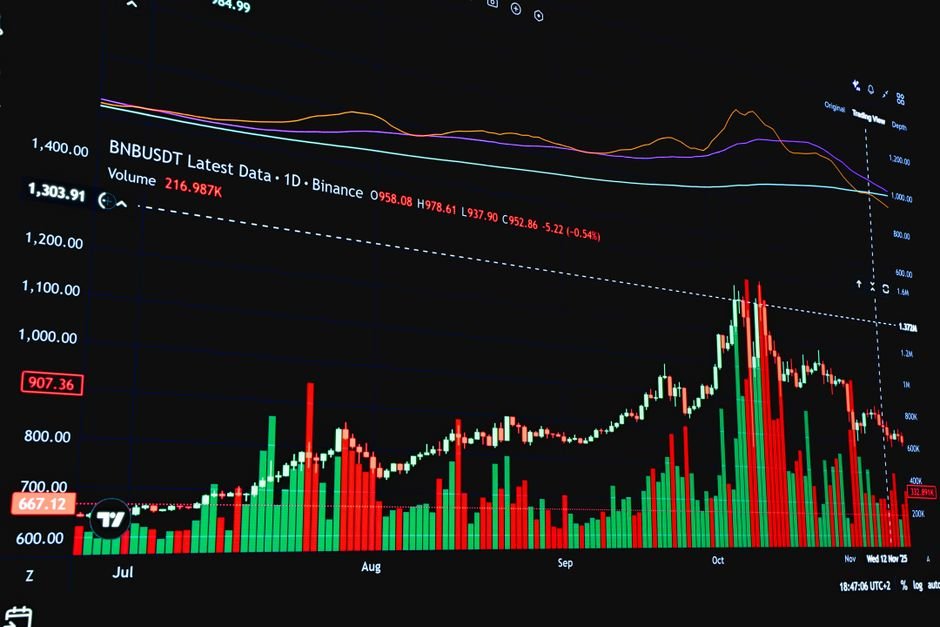
The core of the current debate hinges on how much of the “regulatory alpha” has been captured by the market following the approval of spot Bitcoin ETFs earlier this year. While the ETFs provided a bridge for capital, the **Bitcoin Clarity Act** would provide the legal bedrock for broader utility beyond simple price exposure. This includes clearer guidelines for custody, stablecoin issuance, and the classification of various tokens which currently exist in a state of legal limbo.
Ghoos noted that the clarity provided by such acts would allow for a more robust secondary market. Analysts at Reuters have previously noted that institutional participation remains capped by the lack of a federal framework. If the act passes, it could unlock silos of capital that were previously restricted by internal risk-management policies that forbid investment in unregulated or “ambiguously regulated” asset classes.
Furthermore, the legislative progress suggests a shift in the political climate surrounding digital finance. The bipartisan support for certain aspects of the **Bitcoin Clarity Act** indicates that crypto has moved from the periphery to a mainstream policy priority. This political shift is often not fully reflected in price models, which tend to focus more on immediate liquidity metrics rather than long-term structural legitimacy.
Capital Rotation From AI

A significant portion of Ghoos’s thesis relies on the cooling of the artificial intelligence investment frenzy. For the past eighteen months, AI startups and semiconductor giants have dominated the flow of venture and retail capital. However, as valuations in the AI sector reach historic highs, some investors are looking for diversification. The CEO of OKX Europe believes that Bitcoin stands to be the primary beneficiary of this capital rotation.
This movement is not merely speculative; it is driven by the search for assets with asymmetric upside that have already undergone a period of consolidation. While AI stocks have surged, Bitcoin spent much of the second quarter of 2024 in a range-bound state. The introduction of the **Bitcoin Clarity Act** provides the necessary fundamental justification for portfolio managers to reallocate funds from tech stocks back into the crypto sector.
The “AI-to-Crypto” rotation is also supported by the increasing convergence of the two technologies. As AI agents require decentralized, borderless payment rails, the demand for a regulated Bitcoin environment increases. This synergy suggests that the capital moving back into Bitcoin is not just fleeing AI, but rather seeking the infrastructure that will support the next phase of the digital economy.
Historically, Bitcoin rallies have often been triggered by unexpected macro shifts rather than telegraphed legislative wins. However, the current cycle is unique due to the level of institutional involvement already present. If the **Bitcoin Clarity Act** is implemented effectively, it may serve as the foundation for a more mature market cycle characterized by lower volatility and higher sustained demand from pension funds and sovereign wealth funds.
Looking ahead, the market remains focused on the timeline for a Senate vote and potential executive signatures. While some traders may have already adjusted their positions in anticipation, the actual implementation of the **Bitcoin Clarity Act** will likely have long-term effects on market structure that go beyond immediate price action. The transition from a speculative asset to a regulated financial instrument remains the primary narrative for the remainder of the fiscal year.