

Bitcoin climbs above the $64,000 resistance level on Tuesday, demonstrating resilience even as the broader digital asset market experienced a localized pullback. The leading cryptocurrency gained momentum during early trading sessions, decoupling from several major altcoins that struggled to maintain their previous week’s gains.
Key Points:
- $64,000 mark reclaimed by Bitcoin despite a general decline in major altcoin prices.
- 20% of mining computing power reallocated to artificial intelligence over nine months.
- $100 million in annualized revenue achieved by the Venice platform.
- 10% price surge recorded for the Venice token following its financial report.
The recent price action suggests a strengthening of investor conviction in the primary cryptocurrency. While assets like Ethereum and Solana faced minor corrections, Bitcoin maintained a steady bid, supported by consistent institutional interest and a tightening supply side. This divergence highlights a “flight to quality” within the digital asset ecosystem as traders navigate uncertain macroeconomic indicators.
Market analysts note that the $64,000 threshold represents a significant psychological and technical level. Breaking and holding above this zone could signal a shift in market structure, potentially opening the door for a retest of higher range boundaries. According to data from Cointelegraph, the intersection of blockchain and artificial intelligence is becoming a dominant theme for institutional capital allocation.
Bitcoin Climbs Above Resistance
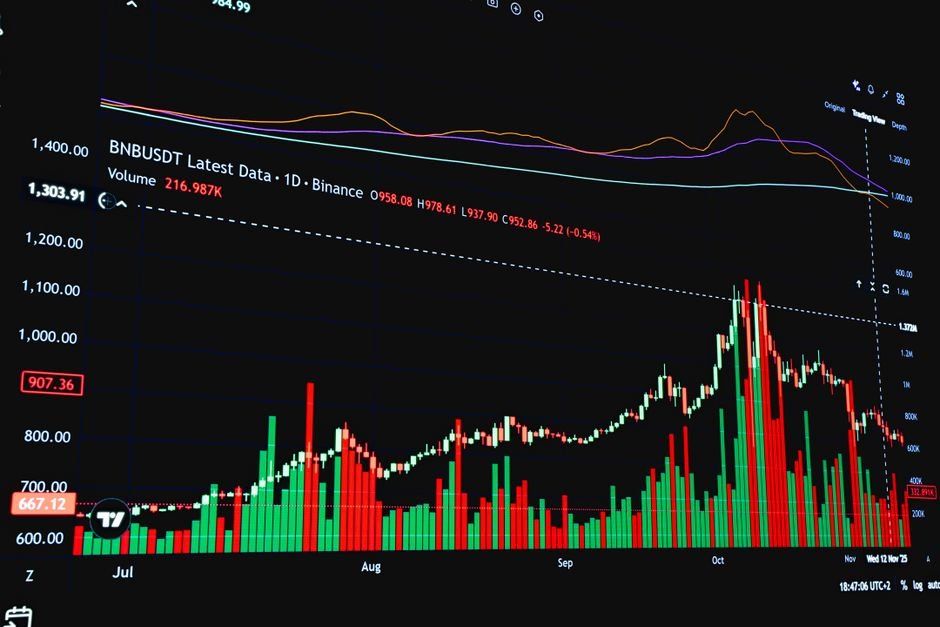
As Bitcoin climbs higher, the underlying dynamics of the mining industry are undergoing a structural transformation. For the third consecutive quarter, mining firms have reported a significant reduction in the hash rate dedicated exclusively to SHA-256 computations. Data indicates that miners have cut their computing power by a fifth over the last nine months, redirecting those resources toward the burgeoning artificial intelligence sector.
This strategic shift is largely a response to the post-halving economic environment, where block rewards have been reduced. By diversifying into AI data centers and high-performance computing (HPC), mining companies are seeking to stabilize their revenue streams. This transition reduces the immediate sell pressure from miners who previously relied solely on liquidating newly minted coins to cover operational expenses.
Miners Reallocate Computing Power

The 20% reduction in computing power reflects a broader trend of “energy arbitrage,” where firms seek the highest possible return per kilowatt-hour. AI workloads often offer higher margins than cryptocurrency mining during periods of high difficulty and suppressed coin prices. Large-scale operations are increasingly retrofitting their facilities to house GPUs alongside traditional ASIC miners, effectively turning crypto mines into multi-purpose data hubs.
This reallocation has implications for the network’s security and difficulty adjustments. While the hash rate remains near historical highs, the rate of growth has slowed as capital is diverted to AI infrastructure. Industry experts suggest this trend will continue as the demand for localized AI processing power outstrips current global data center capacity, providing a lucrative alternative for energy-rich mining firms.
Venice Surpasses Revenue Milestone
While the broader market slipped, specific projects leveraging the AI-crypto intersection showed exceptional performance. Venice, a privacy-focused AI network, announced it has crossed the $100 million mark in annualized revenue. The announcement served as a primary catalyst for its native token, which jumped 10% shortly after the financial details were made public.
The success of Venice underscores a growing appetite for decentralized infrastructure that supports private, secure machine learning. As regulatory scrutiny on centralized AI providers increases, decentralized alternatives are gaining traction among enterprise users. The ability to generate significant revenue in a competitive landscape validates the utility of the Venice ecosystem and provides a blueprint for other AI-integrated blockchain projects.
Looking ahead, the market remains focused on whether Bitcoin can consolidate its gains above $64,000. The divergence between Bitcoin and major altcoins suggests that capital is becoming more selective, favoring assets with high liquidity or clear fundamental growth drivers. Market participants will likely monitor the upcoming difficulty adjustment and corporate earnings from major publicly traded miners to gauge the long-term sustainability of the current AI pivot.