
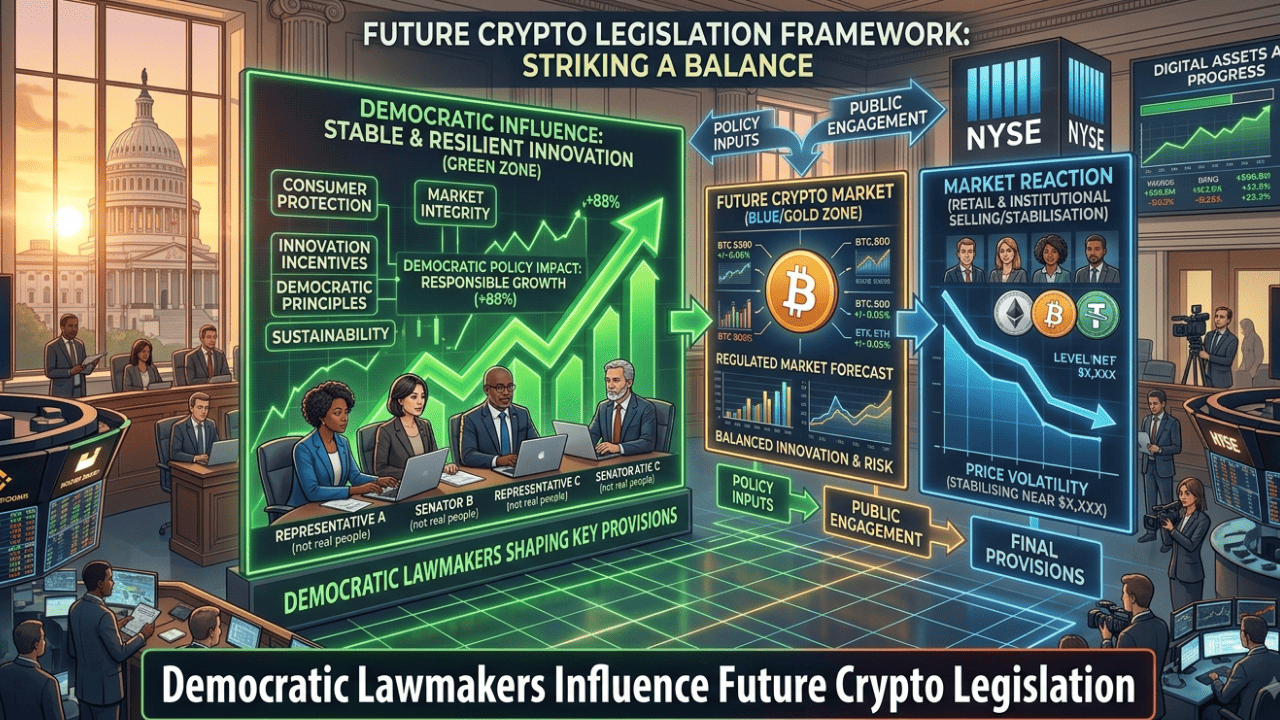
A potential reset of cryptocurrency legislative efforts in the United States Congress has positioned three prominent Democratic women as central figures in determining the industry’s regulatory future. Senators Elizabeth Warren and Debbie Stabenow, alongside Representative Maxine Waters, are expected to wield significant influence over upcoming digital asset frameworks as the legislative calendar shifts. This development comes as the sector faces renewed scrutiny regarding consumer protections and anti-money laundering compliance according to recent congressional analysis.
The prospect of returning to the drawing board for comprehensive crypto policy follows a period of stalled negotiations and partisan disagreement over jurisdictional boundaries between the Securities and Exchange Commission (SEC) and the Commodity Futures Trading Commission (CFTC). While previous sessions saw the passage of the Financial Innovation and Technology for the 20th Century Act (FIT21) in the House, the Senate’s path remains contingent on the cooperation of senior Democratic leadership. Data from legislative tracking services indicate that these three lawmakers hold the most significant gatekeeping power over financial services and agricultural committees.
Maxine Waters, as the top Democrat on the House Financial Services Committee, remains a pivotal negotiator in ongoing discussions regarding stablecoin regulation. Her approach has historically emphasized the role of the Federal Reserve in overseeing digital currency issuers, a stance that has at times clashed with Republican-led efforts to grant more power to state-level regulators. Sources familiar with the committee’s dynamics indicate that any bipartisan path forward must address her requirements for federal oversight and financial stability safeguards.
Waters Influences Stablecoin Policy
Representative Waters has maintained a consistent focus on the systemic risks posed by digital assets to the broader financial ecosystem. In recent hearings, she has expressed concerns regarding the lack of transparency in reserve holdings for stablecoins and the potential for these assets to facilitate illicit finance. Her influence is viewed as a primary hurdle for industry advocates seeking lighter regulatory touches in the House, as she maintains that existing financial laws should apply to digital assets without broad exemptions.
The legislative landscape is further complicated by the seniority of Senator Elizabeth Warren on the Senate Banking Committee. Warren has been among the most vocal critics of the cryptocurrency industry, frequently citing its use in financing criminal activities and its perceived threat to financial stability. Her Digital Asset Anti-Money Laundering Act serves as a benchmark for the level of stringency she seeks to impose on the sector, aiming to close perceived gaps in the current regulatory framework.
Senator Warren’s position is supported by a coalition of lawmakers who prioritize the integration of crypto entities into existing banking regulations. This skeptical wing of the party argues that digital asset firms should be subject to the same Know Your Customer (KYC) and Bank Secrecy Act requirements as traditional financial institutions. This stance creates a significant friction point with industry participants who argue such measures are technically incompatible with decentralized protocols and blockchain technology.
Warren Demands Stricter Oversight
Furthermore, Senator Debbie Stabenow, as Chair of the Senate Agriculture Committee, holds jurisdiction over the CFTC, the agency often proposed as the primary regulator for crypto commodities. While Stabenow has been more engaged in drafting proactive legislation than some of her peers, her upcoming retirement or shifts in committee leadership could further alter the trajectory of the Digital Commodities Consumer Protection Act (DCCPA). The potential loss of her specific moderate approach may leave a vacuum filled by more adversarial voices in the next session.
The collective influence of these three figures suggests that any future crypto legislation will likely lean toward heavy oversight rather than industry-led innovation. This dynamic forces lobbyists and industry advocates to recalibrate their strategies, focusing more on consumer protection and risk mitigation to gain necessary Democratic support. The industry’s ability to navigate these legislative channels will determine whether digital asset firms face a restrictive or permissive environment in the coming years.
Future Regulatory Pathways Unclear
Broader market sentiment suggests that the industry is preparing for a prolonged period of negotiation. Historical comparisons to the Dodd-Frank Act suggest that major financial overhauls often take years to reach a consensus, especially when high-ranking committee members express fundamental distrust of the underlying technology. Industry reports from the Blockchain Association note that the legislative “drawing board” is a common occurrence in complex financial policy, but the current political climate adds layers of difficulty to the process.
Market analysts are currently monitoring committee assignments and the progress of the lame-duck session to gauge how much of the current legislative groundwork will survive into the next term. Observers expect that any comprehensive bill will require a high degree of compromise to pass a divided Congress, with the demands of these senior Democratic women serving as the primary baseline for negotiations. The coming months will reveal whether a middle ground can be reached or if the industry must brace for a more combative regulatory period under the current leadership structures.