
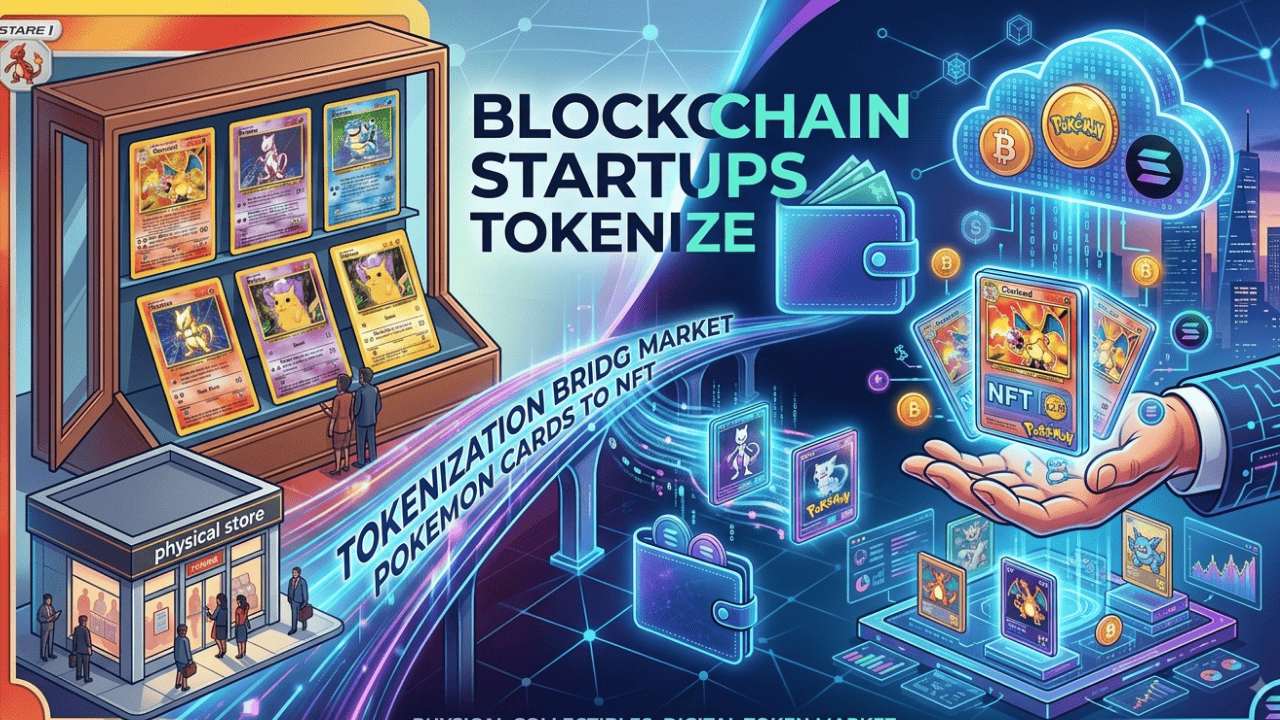
Blockchain startups are aggressively entering the multibillion-dollar Pokemon card market to facilitate digital trading and introduce fractional ownership through asset tokenization. By converting physical trading cards into digital tokens, these companies aim to bypass the logistical constraints of traditional secondary markets while attempting to solve chronic liquidity issues. Recent industry data indicates that while the market for rare collectibles continues to expand, the infrastructure for trading these assets remains fragmented.
The shift toward tokenization follows a period of rapid valuation growth for the hobby, which transformed from a niche interest into an institutional-grade asset class over the last four years. Data from market analysts suggests the global collectible card game market is on a trajectory to reach a valuation of nearly $100 billion by 2030. Currently, high-value transactions for rare cards require lengthy escrow processes, physical transit, and significant insurance costs, creating friction for high-frequency traders.
Industry proponents argue that on-chain representation can provide immediate settlement while the physical asset remains secured in a temperature-controlled vault. This model allows for the decoupling of ownership from physical possession, enabling a card to change hands dozens of times in a single day without ever leaving its secure storage location. This efficiency is viewed as a critical step in professionalizing the collectibles market to mirror traditional financial exchanges.
Tokenizing Physical Collectibles
The tokenization process typically involves a “vaulting” model where a physical card is shipped to a secure facility and authenticated by professional grading services such as PSA or Beckett. Once the card’s condition and authenticity are verified, a digital twin—usually a Non-Fungible Token (NFT)—is minted on a public blockchain to represent the owner’s legal claim to the physical item. This digital asset can then be listed on various decentralized marketplaces.
This digital representation allows for fractionalization, a feature that was previously unavailable in the traditional collectibles market. Platforms can now split the ownership of a single high-value asset, such as a first-edition Charizard, into thousands of digital shares. This allows smaller investors to gain exposure to the price movements of rare assets without the need to purchase the entire item outright, potentially broadening the investor base for high-end collectibles.
Furthermore, the use of blockchain technology provides a transparent and immutable ledger of a card’s provenance. In a market where “fakes” and “trimmed” cards can deceive even experienced collectors, having a verifiable chain of custody linked to a professional vaulting service adds a layer of security. The metadata associated with the token includes high-resolution imagery and grading certificates, ensuring that all market participants have access to the same data points.
Addressing Liquidity Hurdles
Despite the technological advantages, blockchain startups face the significant challenge of building sufficient liquidity to compete with established giants like eBay and Heritage Auctions. These traditional platforms benefit from decades of user trust and massive active buyer bases that drive consistent price discovery. For tokenization to succeed, these new platforms must convince veteran collectors to move their assets away from familiar centralized marketplaces.
To address this, several startups are developing decentralized finance (DeFi) protocols specifically for collectibles. These protocols offer lower transaction fees than the 10% to 15% commissions typically charged by legacy auction houses and specialized marketplaces. Some developers are also experimenting with liquidity pools that allow users to instantly swap their “floor” cards—more common cards that trade in high volumes—for stablecoins or other digital assets.
The integration of Real World Assets (RWA) into the broader crypto ecosystem is also attracting institutional interest. Major financial players have already begun tokenizing traditional assets like bonds and real estate, suggesting that high-value collectibles are a natural extension of this infrastructure. However, the success of these initiatives will depend heavily on the legal frameworks surrounding digital ownership and the physical security of the underlying assets.
Market participants are now watching to see if these platforms can capture a significant share of the trading card volume as the market matures. The transition will likely require a balance between ensuring physical asset safety and providing a user interface that appeals to non-crypto native collectors. Analysts expect the next phase of development to focus on regulatory compliance and the standardization of how digital tokens represent physical property rights across different jurisdictions.