
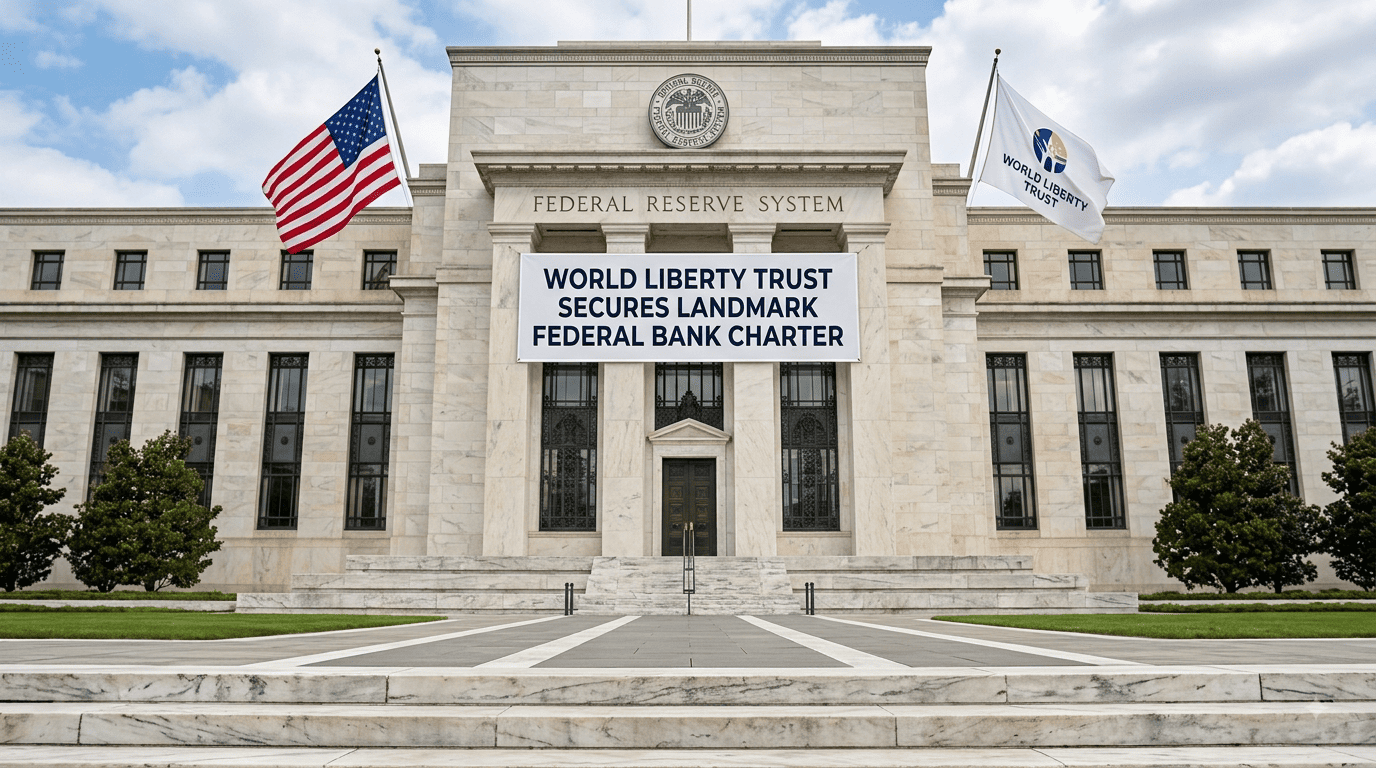
World Liberty Trust Co., the digital asset venture closely associated with the Trump family, received preliminary conditional approval for a federal bank charter from the Office of the Comptroller of the Currency (OCC) on Friday. This regulatory milestone permits the entity to begin the final stages of establishing a national trust bank under federal supervision.
Key Points:
- 1 federal regulator, the OCC, issued the conditional approval on Friday.
- 18 months is the standard window for meeting final operational requirements.
- World Liberty Trust remains subject to strict federal fiduciary standards.
The decision by the OCC represents a critical step for the project, which aims to bridge the gap between traditional financial services and decentralized finance (DeFi). By securing a national trust bank charter, World Liberty Trust Co. gains the authority to engage in fiduciary activities on a national scale, bypassing the need for a patchwork of individual state-level licenses. This status is highly coveted within the digital asset industry, as it provides a clear framework for custody and asset management under the watchful eye of federal examiners.
According to the official OCC licensing records, the approval is “preliminary and conditional,” meaning the organizers must satisfy a rigorous set of requirements before a final charter is granted. These conditions typically include the successful recruitment of a qualified management team, the implementation of robust anti-money laundering (AML) and “know your customer” (KYC) protocols, and the accumulation of a specified amount of capital. The OCC has historically maintained high barriers to entry for crypto-native firms seeking national charters, making this approval a notable exception in the current regulatory environment.
World Liberty Trust Requirements

The path toward a full charter involves several months of operational preparation. During this phase, the World Liberty Trust management team must demonstrate to the OCC that they have established a safe and sound banking infrastructure. This includes internal audits, cybersecurity stress tests, and a clear business plan that proves the entity’s long-term viability. The OCC’s oversight ensures that the trust company will operate in a manner consistent with federal laws governing national banks, providing a level of institutional credibility that many crypto startups lack.
The Trump-backed project has previously signaled its intent to facilitate stablecoin transactions and lending protocols. With a federal charter, World Liberty Trust could potentially serve as a regulated custodian for digital assets, offering a bridge for institutional investors who require a federally chartered partner to satisfy their own compliance mandates. This move aligns with the project’s broader goal of expanding the reach of the WLFI token ecosystem while maintaining a footprint in the traditional financial sector.
Navigating Federal Oversight

Securing a charter from the OCC is widely regarded as one of the most difficult regulatory hurdles in American finance. Unlike state-chartered banks or specialized fintech licenses, a national trust bank falls under the direct jurisdiction of the U.S. Treasury Department. This relationship provides the entity with certain preemptive powers over state laws but also subjects it to frequent examinations and more stringent reporting requirements. For World Liberty Trust, this means every facet of its digital asset operations will be scrutinized by federal agents.
The timing of the approval is particularly significant as the political landscape surrounding digital assets shifts toward a more permissive stance. Industry analysts suggest that the OCC’s move could signal a broader trend of integrating crypto-centric businesses into the national banking system. If World Liberty Trust successfully meets the conditions and launches, it would join a very small group of federally chartered institutions focused on the digital economy, potentially setting a precedent for other firms currently navigating the application process.
Historically, the OCC has been cautious with “fintech” or “special purpose” charters, particularly those involving volatile assets. The preliminary approval for World Liberty Trust indicates that the regulators have found the project’s initial application and capital structure to be sufficient to proceed to the next stage of review. However, the regulator retains the right to revoke the preliminary approval if the organizers fail to meet any of the specified conditions within the allotted timeframe, which is usually between 12 and 18 months.
Looking ahead, the market will closely monitor the project’s ability to attract executive talent and secure the necessary capital to move from preliminary status to a fully operational bank. The transition will require transparency regarding the project’s ownership structure and its relationship with the broader World Liberty Financial ecosystem. As the venture moves forward, it faces the dual challenge of innovating in the DeFi space while adhering to the conservative standards of federal banking law.