

The Bitcoin futures liquidity profile is signaling potential volatility as open interest reaches record levels while trading volumes remain stagnant. This growing mismatch between the number of active contracts and the underlying market depth suggests that traders may face significant hurdles when attempting to exit positions during a price swing.
Key Points:
- Open interest levels have reached a significant margin above daily trading volumes in 2024.
- Liquidity gaps increase the risk of massive slippage during market sell-offs.
- High leverage ratios combined with low turnover create a fragile market structure.
The current state of the derivatives market suggests an imbalance that analysts describe as a “crowded club with a tiny exit.” As institutional and retail participation in futures markets grows, the total value of outstanding derivative contracts—known as open interest—has surged. However, the volume of actual trades being executed has not kept pace, according to recent market data. This divergence indicates that while many participants have entered the market, the capacity for them to leave simultaneously without causing a price collapse is narrowing.
Market analysts are particularly concerned about the ratio of open interest to trading volume, which serves as a primary gauge for Bitcoin futures liquidity and health. When open interest is high but volume is low, it implies that the market is “top-heavy.” In this environment, even a relatively small sell order can trigger a disproportionate price move, as there are fewer active buyers and sellers at any given price level to absorb the trade. This lack of depth often leads to “flash crashes” or rapid deleveraging events where long or short positions are forcefully liquidated in a chain reaction.
Liquidity Mismatch Risks
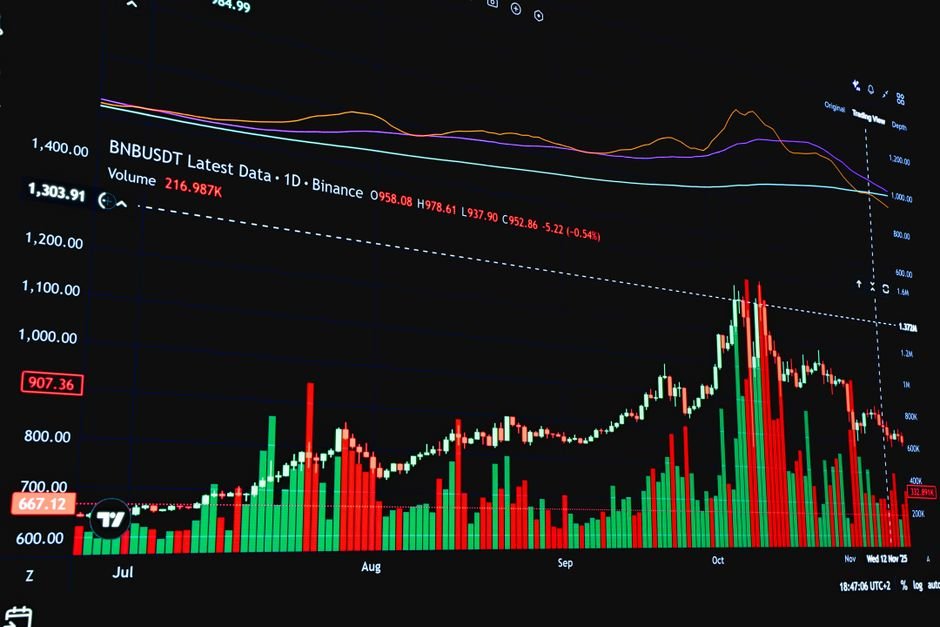
The primary concern for the Bitcoin futures liquidity landscape is the potential for a “liquidity hole.” In a liquid market, large orders can be filled with minimal impact on the asset’s price. In the current derivatives environment, however, the gap between the bid and ask prices—the spread—can widen rapidly during periods of stress. This forces traders to accept much worse prices than expected, a phenomenon known as slippage, which can turn a manageable loss into a catastrophic one for leveraged accounts.
Historical data from previous market cycles shows that when open interest remains elevated during periods of declining volume, the market becomes highly sensitive to external shocks. Whether the catalyst is a regulatory announcement or a shift in macroeconomic data, the resulting exit from the Bitcoin futures market can become disorderly. This is exacerbated by the use of automated stop-loss orders, which can flood the market with sell orders at the same time, further depleting the available liquidity.
Derivatives Market Imbalance

A significant portion of the current open interest is concentrated in institutional platforms such as the CME Group, alongside major offshore exchanges like Binance. While institutional entry is generally viewed as a sign of market maturity, the specific nature of these trades matters. If the open interest is primarily composed of directional bets rather than hedges, the risk of a mass-exit event increases. The current Bitcoin futures liquidity metrics suggest that many of these positions are highly concentrated, leaving the market vulnerable to localized volatility.
Furthermore, the cost of maintaining these positions, often reflected in funding rates on perpetual futures, can add to the pressure. If price action stagnates while funding rates remain high, traders may feel compelled to close their positions to avoid mounting costs. If a large number of participants reach this conclusion simultaneously, the “tiny exit” described by market observers becomes a bottleneck. This structural weakness is a hallmark of late-stage bull markets or periods of extreme speculation where the derivatives tail begins to wag the underlying spot market dog.
Looking forward, the stabilization of the Bitcoin futures liquidity environment will likely require either a substantial increase in spot trading volume or a healthy reduction in open interest—often referred to as a “washout.” Until the ratio between active contracts and trading turnover returns to historical norms, the derivatives market will remain susceptible to sharp, volatile corrections. Market participants are advised to monitor the relationship between volume and interest as a leading indicator of potential deleveraging events in the coming quarters.