
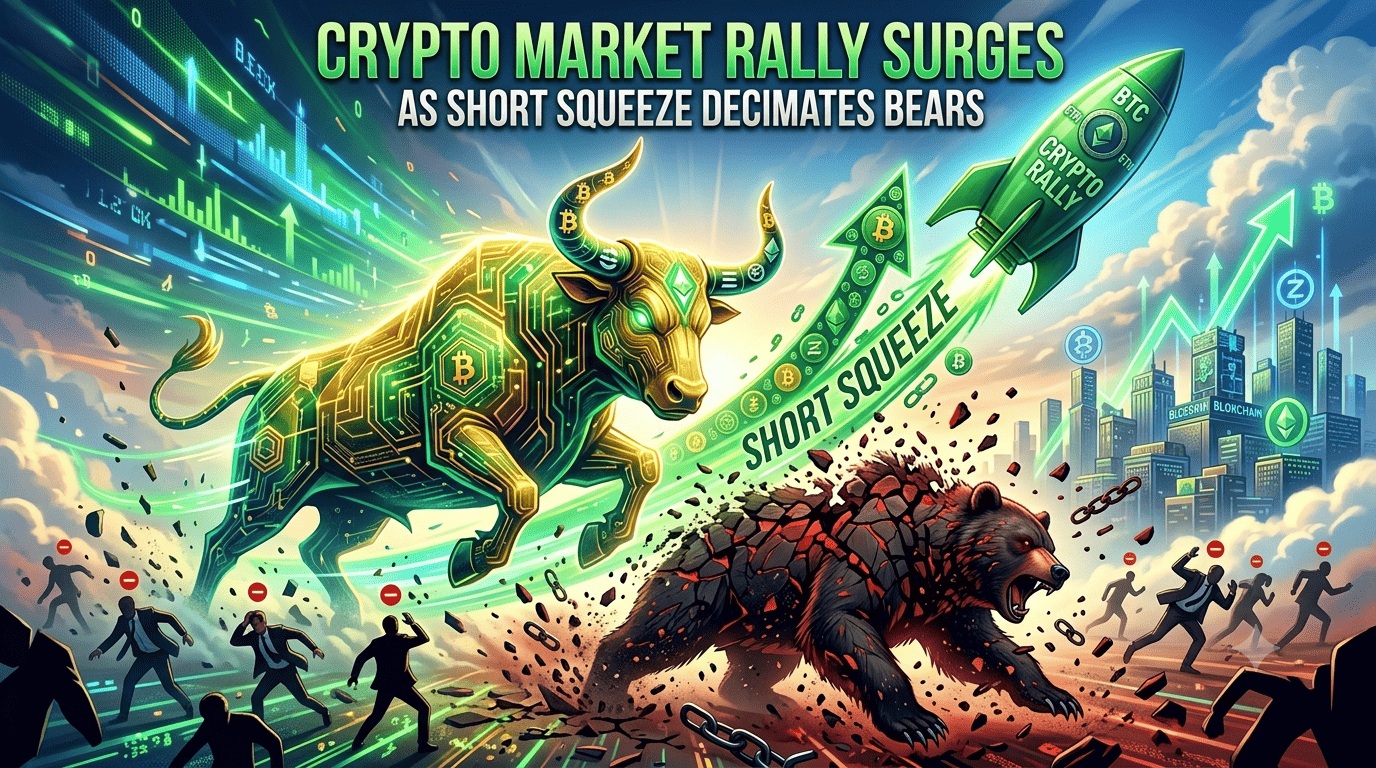
The crypto market rally recorded its strongest performance in months this week as a historic short squeeze and favorable regulatory developments forced massive liquidations for Bitcoin and Ether bears. Treasury intervention and institutional stablecoin adoption provided the macro tailwinds necessary for this significant price recovery, according to market data.
Key Points:
- Short liquidations exceeded $200 million across major exchanges during the primary price surge.
- Elon Musk’s X platform revealed plans to integrate stablecoin payments for global creators.
- Treasury liquidity injections stabilized market sentiment during high-volatility trading sessions.
The recent price action was characterized by a “squeeze-led” recovery, a phenomenon where investors betting on price declines are forced to buy back assets to cover their positions as prices move against them. This cascading effect accelerated the crypto market rally, pushing Bitcoin and Ethereum past critical resistance levels that had held firm for several weeks. Market analysts noted that the speed of the ascent caught many institutional desks off-guard, leading to the decimation of bearish sentiment that had dominated the second quarter.
Beyond the technical mechanics of the short squeeze, fundamental shifts in the regulatory and fiscal landscape supported the upside. Reports indicated that recent Treasury interventions aimed at managing liquidity provided a “risk-on” environment for digital assets. Furthermore, the convergence of technology firms and traditional banking institutions in the stablecoin sector has created a more robust floor for asset valuations. This institutional pivot suggests a transition from speculative trading toward utility-based adoption.
Short Squeeze Forces Liquidations
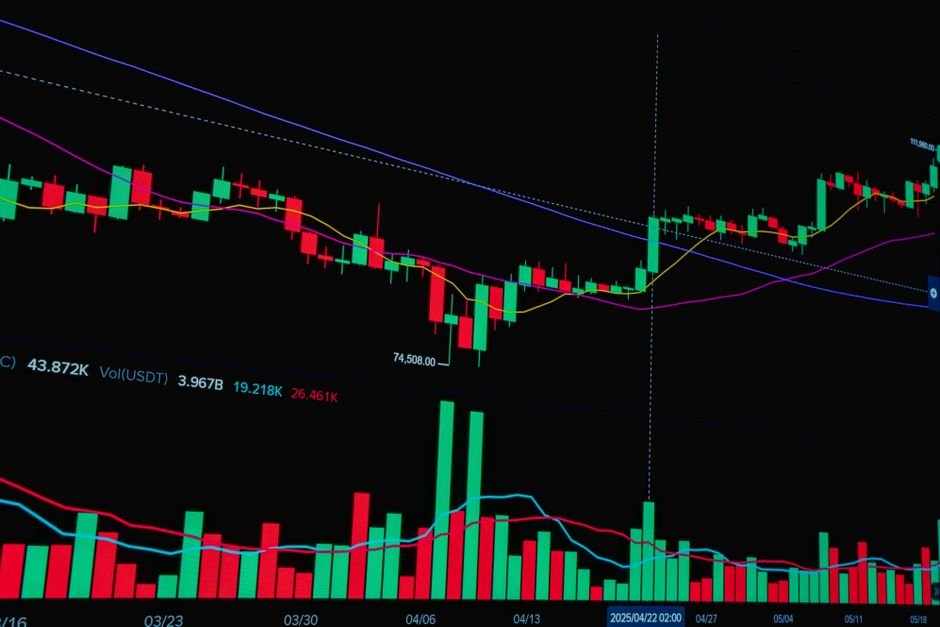
The primary driver of the immediate price spike was the forced closure of bearish bets on derivative exchanges. Data from CoinDesk suggests that the concentration of short positions near the $60,000 mark for Bitcoin created a “liquidity pocket” that, once breached, triggered an automated buying frenzy. This mechanism effectively purged the market of leveraged sellers, allowing the crypto market rally to extend its gains without the usual selling pressure found at psychological price barriers.
Ethereum experienced a similar trajectory as the anticipated approval of spot exchange-traded funds (ETFs) and increased network activity tightened supply. The liquidation of Ether shorts mirrored the Bitcoin trend, contributing to a broader market capitalization increase of several hundred billion dollars within a 72-hour window. Analysts at major trading firms suggest that this flush of short-sellers has reset the market’s leverage profile, potentially paving the way for more organic growth in the coming weeks.
X Integrates Stablecoin Payments
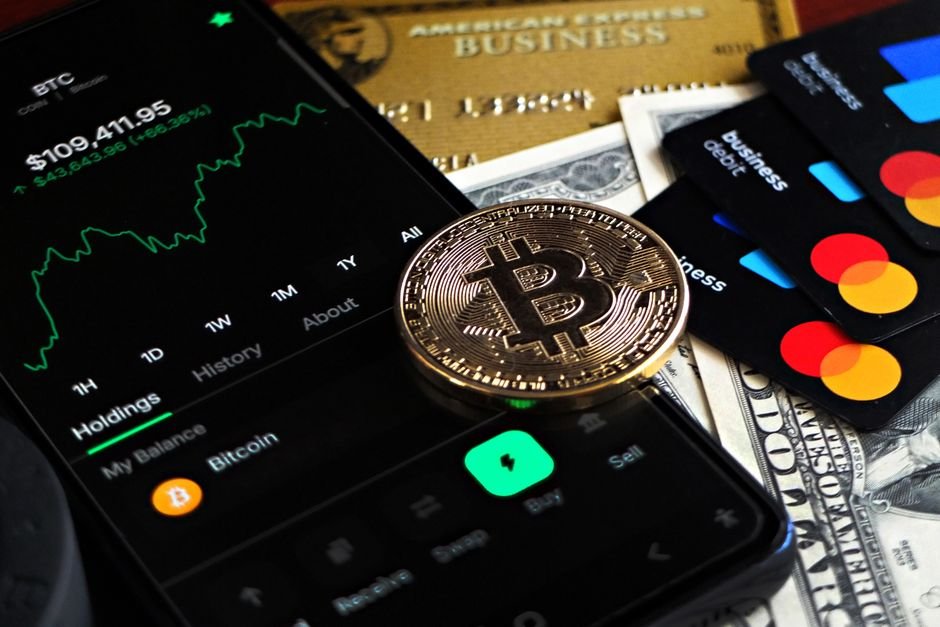
The rally was further bolstered by news from the social media sector, specifically involving Elon Musk’s X (formerly Twitter). The platform is reportedly moving toward paying its creators in stablecoins, a move that would provide instant, borderless settlement for millions of users. This development marks a significant step in the mainstreaming of digital currencies, as it removes the volatility concerns often associated with using native tokens like Bitcoin for everyday commerce and salary payments.
By leveraging stablecoin technology, X aims to bypass traditional banking friction, especially for creators in emerging markets who face challenges with international wire transfers. This move aligns with a broader trend of technology companies and banks pushing deeper into the stablecoin ecosystem. Major financial institutions are increasingly exploring the use of dollar-pegged assets for cross-border settlements, recognizing that the efficiency of blockchain rails far exceeds the capabilities of legacy systems like SWIFT.
Historically, significant moves in the crypto market rally have often been preceded by periods of extreme bearishness and high funding rates. The current environment mirrors previous recovery cycles where macro liquidity and technological milestones coincided. However, the current cycle is distinct due to the involvement of the U.S. Treasury, whose management of the bond market has indirectly influenced the attractiveness of digital assets compared to traditional fixed-income securities.
Looking forward, the sustainability of this rally will likely depend on the continuation of favorable macro conditions and the successful implementation of stablecoin payment systems by large-scale tech platforms. While the short squeeze provided the initial spark, long-term price appreciation will require sustained institutional inflows and a clear regulatory framework for the stablecoins that are increasingly becoming the backbone of the digital economy.