

Table of Contents
- Introduction
- Why Experts Don’t Try to Be 100% Right
- Technical Analysis: Reading the Market’s “Body Language”
- Fundamental Analysis: Does the Asset Deserve Its Price?
- On-Chain Analytics: Looking Directly Into the Blockchain
- Sentiment Analysis: Measuring Fear, Greed & Hype
- Quant Models & AI: Prediction With Data
- Liquidity, Volume & Order Flow
- Putting It All Together: Confluence Strategy
- Featured Infographic / Flowchart
- Internal & External Links
- FAQs
- Conclusion & Call to Action
How Do Experts Predict Cryptocurrency Market Movements?
Cryptocurrency may look chaotic, but expert analysts don’t guess — they use structured data, probability, and risk management to tilt the odds in their favor. The goal isn’t to predict the exact price — but to be right more often than wrong.
🧠 Prediction in crypto is not about certainty — it’s about probability + discipline.
Why Experts Don’t Try to Predict the Exact Price

Professional traders never say:
❌ “Bitcoin will be $5,00,000 next Friday.”
Instead, they ask:
✔ “What are the odds Bitcoin continues its uptrend — based on multiple signals?”
Experts focus on:
- Edges → Scenarios where one outcome is slightly more probable
- Confluence → When multiple indicators agree
- Risk management → You can be wrong 40% of the time and still win long-term
🌀 Crypto prediction = weather forecast
You can’t say how many drops will fall — but you can say there’s a 70% chance of rain and prepare accordingly.
Technical Analysis (TA): The Market’s “Body Language”
Technical Analysis studies price, volume, and patterns to estimate future movement.
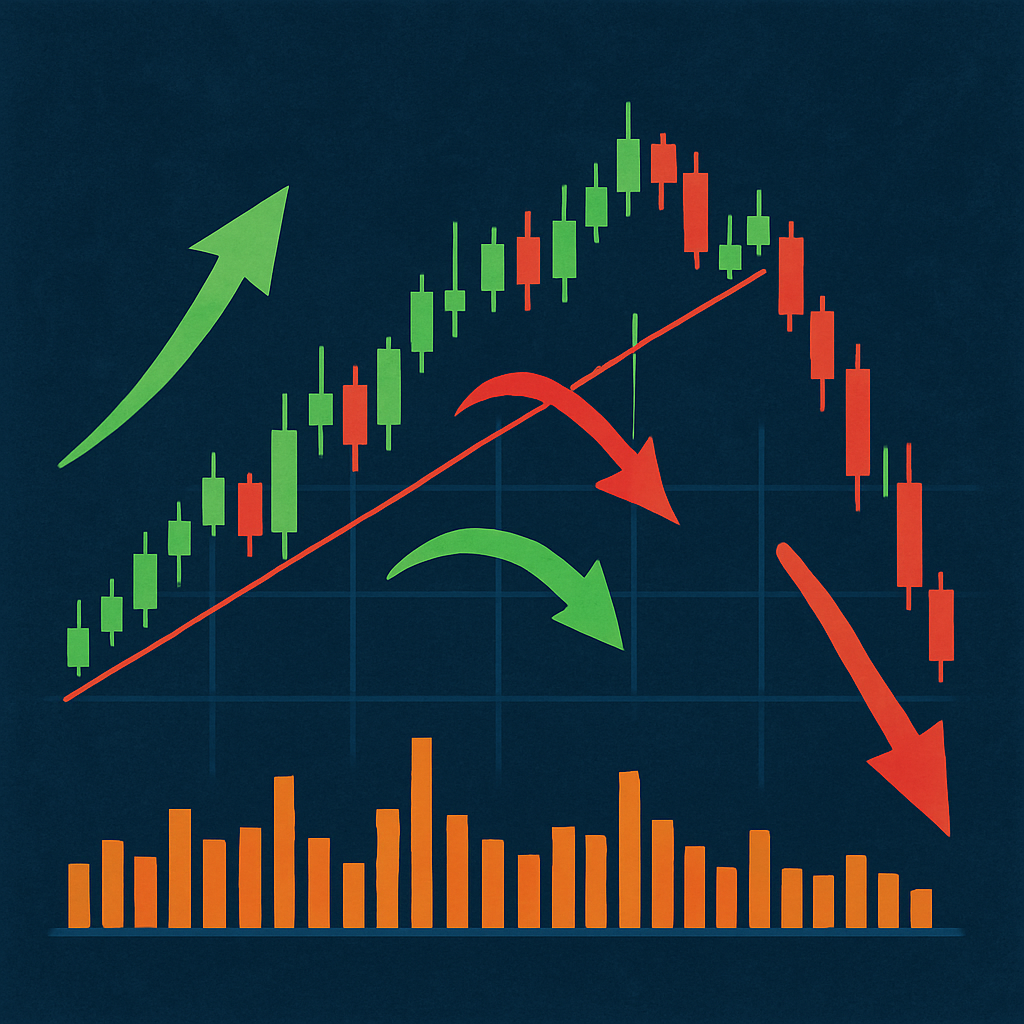
🔍 Key TA Tools Experts Use
| Indicator | Purpose |
| Moving Averages (50 & 200-day) | Identify trend direction |
| Support & Resistance Zones | Where price often reacts |
| RSI & MACD | Momentum + trend strength |
| Volume | Confirms whether a move is reliable |
| Chart Patterns | Continuation or reversal signals |
📌 Real Example: Bitcoin
If BTC shows:
- Breakout above long-term resistance
- 50-day MA > 200-day MA (bullish crossover)
- RSI 55–65 (healthy momentum)
- Increasing volume
⚠️ Experts don’t say prices — they say:
“Probability favors continuation of the uptrend unless support breaks.”
Fundamental Analysis: Does the Asset Deserve Its Price?
Fundamental Analysis (FA) evaluates whether a cryptocurrency has real value.

🧠 What Experts Examine
- Utility & Adoption → real use cases, developer activity
- Tokenomics → supply schedule, inflation, unlocks
- Macro Conditions → interest rates, regulations
- Catalysts → upgrades, ETF approval, partnerships
📌 FA works best for medium-to-long term predictions.
📈 Example
Before Ethereum’s major upgrade, dev activity + transactions increased. FA + sentiment + on-chain signaled a bullish trend before the price surged.
On-Chain Analytics: Blockchain X-Ray Vision
Only in crypto can you see actual money flow on public ledgers.

🔍 Key On-Chain Metrics
| Metric | What It Signals |
| Exchange Inflows | Sell pressure |
| Exchange Outflows | Accumulation |
| Whale Wallet Tracking | Smart money movements |
| Active Addresses | Adoption trend |
| Coin Days Destroyed | Strategic repositioning |
Example:
A spike in whale deposits to exchanges often precedes price corrections or volatility.
🧠 “Smart money moves before charts react.”
Sentiment Analysis: Emotions Move Markets Too
Crypto is highly emotion-driven, so experts measure fear, hype, and social buzz.

📊 Tools Used
- Crypto Fear & Greed Index
- Google Trends
- LunarCrush / Santiment social scores
- News sentiment clustering
📌 Extreme fear = potential bottom
📌 Extreme greed = potential top
🎯 Like listening to crowd noise in a stadium — individual shouts don’t matter, but the overall roar does.
Quant & AI Models: Data-Driven Prediction
Many professional analysts use machine learning & AI models to forecast short-term direction.
🤖 Popular Models
- ARIMA, GARCH → baseline forecasting
- Random Forest, Gradient Boosting → price direction
- LSTM / Transformer models → capture crypto volatility better
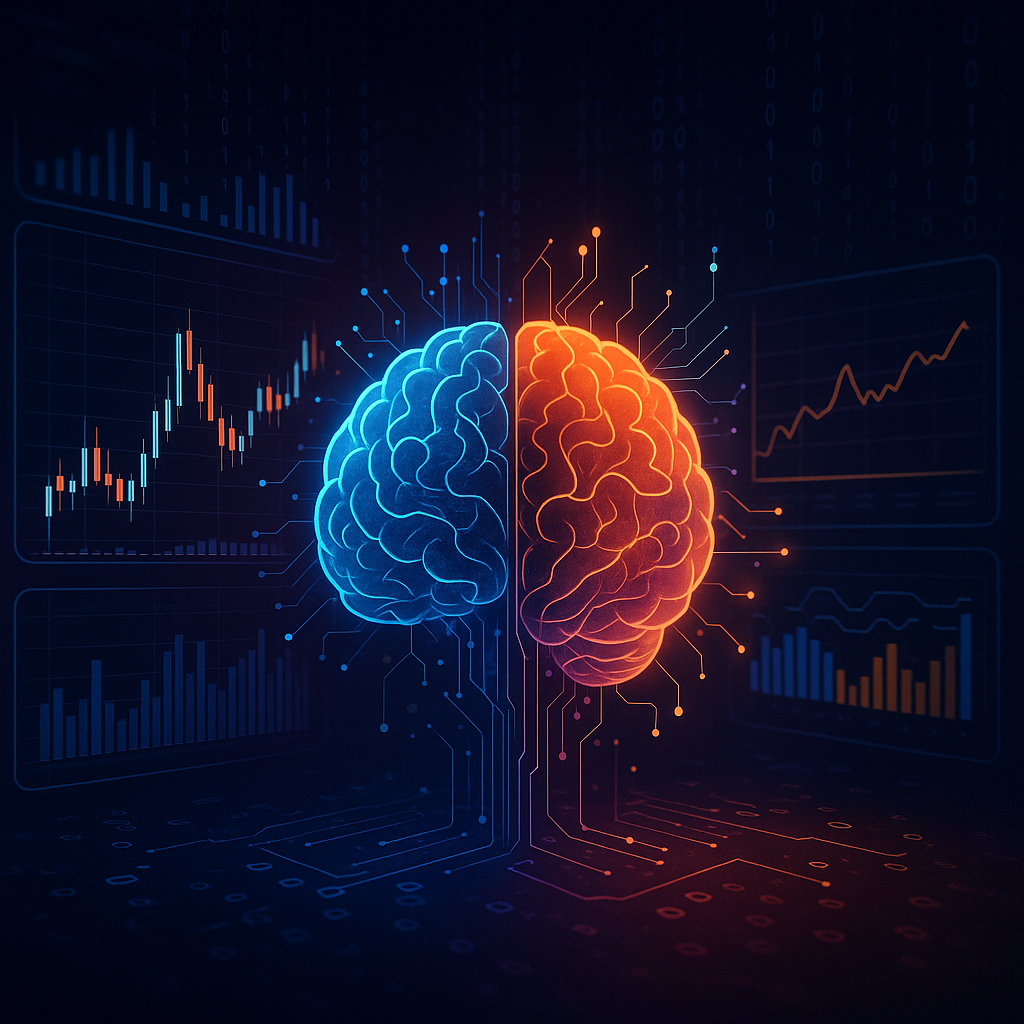
🧪 Results:
Studies show 50–60% accuracy — enough to win over time, but not a guarantee.
AI does NOT predict perfectly — it supports decision-making.
Volume, Liquidity & Order Flow
Short-term experts analyze order books and liquidity depth.
They track:
- Order walls
- Order book imbalance
- Sudden liquidity changes
- High volume support zones
Platforms even send real-time alerts when whales move liquidity seconds before price shifts.
Putting It Together: Confluence = Real Edge
Experts rarely rely on just one method.
🧠 Example Confluence Setup
✔ TA → Uptrend + strong support
✔ FA → Positive catalyst soon
✔ On-chain → Whale outflows
✔ Sentiment → Not euphoric
⮕ Result → High-conviction long setup
📌 Professionals don’t aim to be right — they aim to have better odds + smart risk control.

FAQs – How Experts Predict Crypto Markets
1. Can anyone truly predict cryptocurrency prices?
No — but experts improve their odds using data, probability, and risk management.
2. Which method is most accurate?
None alone. Confluence makes the strongest prediction.
3. What tools do experts use?
TradingView, Glassnode, LunarCrush, Santiment, IntoTheBlock, TensorCharts.
4. Can retail traders use expert tools?
Yes — many tools now offer free tiers.
5. Do algorithms and AI predict perfectly?
No. AI gives probabilities, not certainties — experts still make judgment calls.
Conclusion & Call to Action
Crypto prediction is not magic — it’s structured analysis.
Technical analysis shows how price moves.
Fundamentals and on-chain data explain why.
Sentiment and AI models estimate when change might occur.
👉 Start simple:
- Track one coin daily
- Use TA + on-chain + sentiment
- Write a mini log — what does each signal say?
- Act based on probability — not hope
Want more strategy breakdowns? Follow this blog and start predicting crypto like an expert — not a speculator. 🚀